


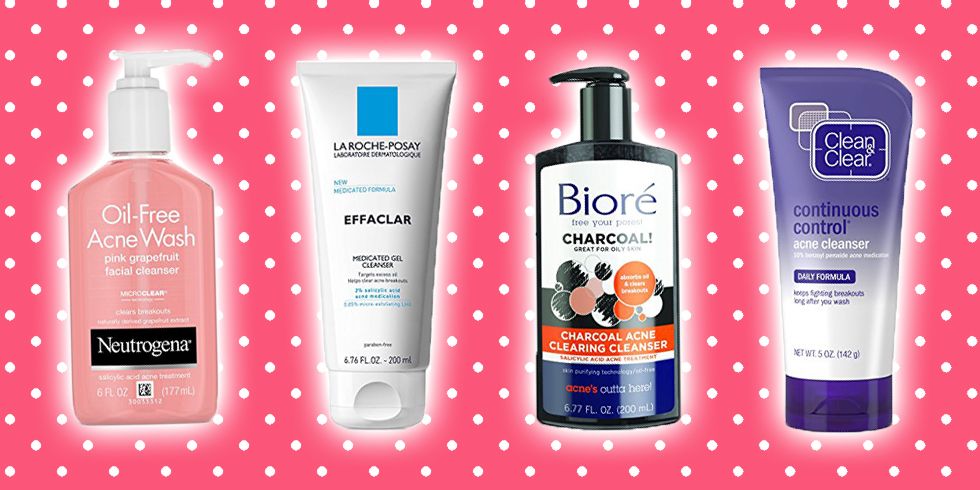


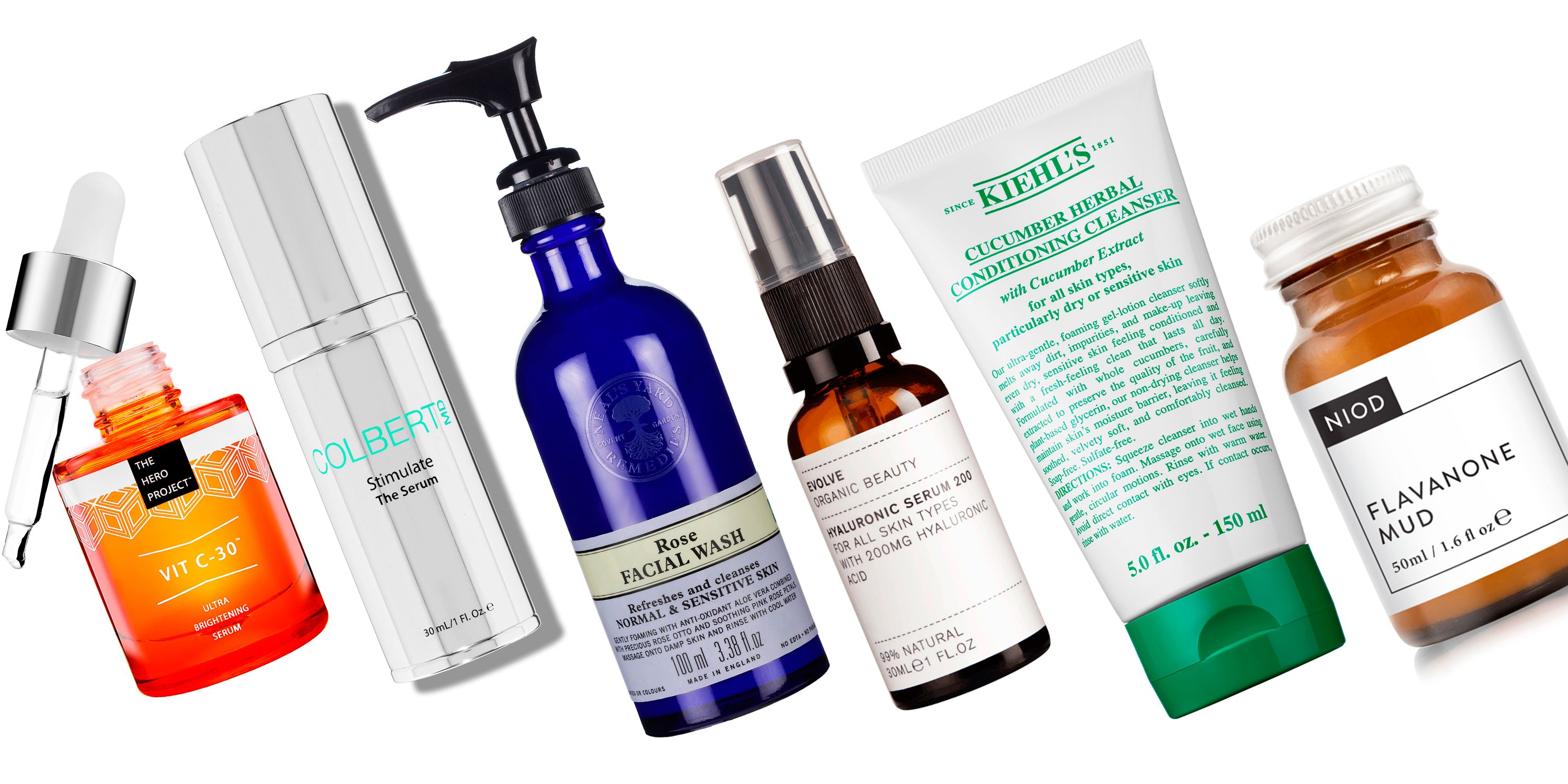

Exfoliating is the process of removing dead skin cells from your skin using a granular substance. Your skin naturally sheds dead skin cells but sometimes dead cells don’t shed completely, which results in dry and flaky skin. Exfoliating regularly can help prevent this.

Benefits of exfoliating.
Exfoliation helps to remove dry and flaky skin. It also reduces breakouts and minimize pores. Exfoliation allows absorption of other products into the skin. It increases blood circulation which helps you to achieve healthy and glowing skin.
Types of exfoliation:-
1. Physical Exfoliation- Any exfoliating product that requires manual scrubbing is known as physical exfoliant. The biggest advantage of physical exfoliant is the ease of access. You can do this at home with do-it-yourself (DIY) scrubs. You may already be using a physical exfoliant such as-
· cleansing scrub
· body brushes
· loofahs
· pumice stone
· exfoliating mitts
2. Chemical Exfoliation- chemical exfoliants offer more dramatic results. Chemical exfoliants are game changer and are broken down into two categories
1. Alpha Hydroxyl Acids (AHAs). These are water-soluble acids typically derived from sugary fruits:-
· Glycolic acid found in sugar cane.
· Lactic acid found in milk and pickled vegetables.
· Citric acid found in citrus fruits.
· Tartaric acid found in grapes.
· Malic acid found in apples.
2. Beta Hydroxyl Acids (BHAs). These are oil-soluble acids. They go deep into your hair follicles to dry out excess oils and dead skin cells to unclog your pores. BHA products are generally used to treat acne and sun damaged skin. Salicylic acid is the most common BHA.


What works best for different skin types?
Choosing the right exfoliating technique for your skin type will reduce your risk of irritation and help you achieve the best possible results.
Sensitive – If your skin generally gets irritated after using new products, it’s considered to be sensitive skin. You should always talk to a dermatologist before using new products.
Normal – People with normal skin can use any exfoliator. It comes down to personal choice.
Dry – Dry skin is generally flaky and rough. Use AHAs such as glycolic acid and allow your moisturizer to hydrate your skin more effectively.
Oily – People with oily skin can use strong physical and chemical exfoliators. DIY scrubs may work well.
Combination – Combination skin is a mix of oily and dry skin. You should focus on each area individually and use products accordingly.
Acne prone – If you’re prone to breakouts or have moderate acne, look for products containing salicylic acid or glycolic acid.
How often should one exfoliate?
If you have oily skin you can exfoliate as per your needs. You can do it daily, on every third day or frequently.
For all other skin types, you can do it once or twice a week.
Bottom line
Whether you use DIY scrubs or seek out for professional treatments ultimately depends on your individual skin care need.


